Begin Again
Digital media has dramatically transformed the music industry over the past two decades, reshaping how listeners distribute and consume music. The transition from radio to physical albums to the rise of streaming platforms has significantly disrupted traditional music distribution and marketing models, altering the entire musical landscape. These changes have sparked debates over the value of an artist’s work, how revenue is shared, and its impact on an artist’s independence.
You Spin Me Round (Like a Record)
The most noticeable impact of digital media on the music industry is the move from physical album sales (CDs, tapes, and vinyl records) to streaming services like Spotify, Apple Music, and Amazon Music. In the pre-digital era, music consumption was based on purchasing physical copies of entire albums or singles, which created a clear revenue stream for artists and labels. However, that changed with the invention of platforms such as Napster and LimeWire in the early 2000s, which allowed consumers to locate shared music online and download it to their computers at either a low fee or no cost.
Physical album sales and profits declined considerably as more music was downloaded and pirated. However, companies such as Apple, Pandora, and Spotify began to see the future of downloading music and how to combat piracy and benefit the music industry by making it profitable, leading to music streaming services.
Money, Money, Money
Streaming, which offers access to extensive music catalogs for a subscription fee, has emerged as the predominant source of music consumption. In 2022, streaming from services such as Apple Music, Amazon Music, and Spotify accounted for over 80% of the music industry’s revenue, with billions of streams occurring daily.
While streaming has made music more accessible to global audiences, it has sparked controversies over artist compensation. Many musicians receive meager payouts, typically fractions of a cent per stream.
A subscription to unlimited downloads on Apple Music starts at $9.99 a month. According to Producer Hive, the average royalty rate on Apple Music is $0.008 per stream, which means it would take 125 streams for an artist to make one dollar from their song (Streaming payouts per platform & royalties calculator).
In comparison, Spotify has a free service with on-site ads and pays an average royalty rate of $0.00318 per stream, which means it would take 314 streams to make one dollar.
Such low percentages have led to a debate about the sustainability of streaming as a revenue model. However, streaming services are on-demand and may offer a larger reach than waiting for consumers to physically buy a product in-store. In addition, while some platforms may pay more per stream, others may have a larger audience and reach, making it more profitable over time (Streaming royalties calculator: What your streams are worth).
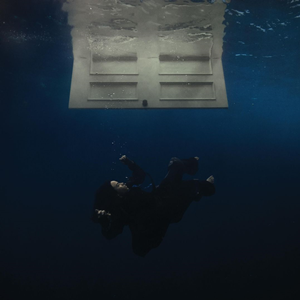
Billie Eilish “Birds of a Feather” – Darkroom / Interscope
According to Billboard, as of September 2024, Billie Eilish’s “Birds of a Feather” has been streamed over 396 million times, which would earn her $3.6 million if paid by Apple Music.
Dua Lipa “Illusion” Warner Records / Warner Music Group UK
According to Billboard, Dua Lipa’s “Illusion” has been streamed over 250 million times since July 2024, which would earn her $2.5 million if paid by Apple Music.

Chappell Roan “Good Luck, Babe!” Amusement Records / Island Records / Universal Music Group
According to Billboard, as of September 2024, Chappel Roan’s “Good Luck, Babe!” has been streamed over 357 million times, which would earn her $3.57 million if paid by Apple Music.
.

While it may seem like a lot of money, the singer/musician does not typically receive the total amount. The songwriter will receive approximately 50% of the Performance Royalties, while Publishers commonly receive 50%. If there is more than one songwriter, the artist would split their 50% amongst the other writers, and another 15-25% could be deducted if they used a Publishing Administrator (Music royalties explained).
Don’t Stop Believin’
Digital media has had a positive impact on independent artists. Platforms such as SoundCloud and Patreon have enabled musicians to release their work directly to fans without the help of a traditional record label. Artists can sell their music and merchandise directly to fans while retaining control of when and how they market their music (Alexander and Sisario).
While these direct-to-consumer platforms offer more revenue potential and artistic freedom, they also come with challenges. Independent artists must now take on the roles traditionally managed by labels, such as marketing, distribution, and audience engagement. This means that success often centers on an artist’s ability to manage their brand in an increasingly growing digital marketplace.
Video Killed the Radio Star
Beyond streaming, digital media has also changed how artists and labels monetize their music through licensing. Artists can license their music for commercial use, earning royalties each time a song is played. Licensing music has opened new revenue streams, particularly for smaller or lesser-known artists who might not achieve mainstream success but can still earn income through licensing agreements through platforms such as advertisements or TV show placements (Music royalties explained: The Ultimate Guide for 2024).
I’m a Believer
Like the return of vinyl, everything comes back around again, and the media landscape will change. Digital media and streaming services have revolutionized the music industry, presenting opportunities and challenges for artists and labels alike. As the industry continues to evolve, the key to long-term success will likely involve balancing embracing new digital tools that make music more accessible to consumers and ensuring fair compensation for creators with any format, which is why good music exists in the first place.
Alexander, M., & Sisario, B. (2015, July 1). Apple Music, Spotify and a guide to music streaming services. The New York Times. https://www.nytimes.com/interactive/2015/06/30/business/media/music-streaming-guide.html
How Spotify works: Business model and revenue streams. Custom Software Engineering Services. https://insights.daffodilsw.com/blog/how-spotify-works-business-model-and-revenue-streams
Music royalties explained: The Ultimate Guide for 2024. Indie Music Academy. (n.d.). https://www.indiemusicacademy.com/blog/music-royalties-explained#types-of-music-royalties
Streaming payouts per platform & royalties calculator. Producer Hive. https://producerhive.com/music-marketing-tips/streaming-royalties-breakdown/
Streaming royalties calculator: What your streams are worth. RSS. (n.d.). https://dittomusic.com/en/blog/how-much-do-music-streaming-services-pay-musicians/
 Therefore I Am