Do Something
On October 26th, 2024, former first lady Michelle Obama spoke to an energized crowd at a rally for presidential candidate Kamala Harris in Kalamazoo, Michigan. In her remarks, Obama emphasized the gravity of the upcoming election, urging voters to consider the high stakes of the race and the potential consequences of supporting Harris’ opponent, former President Donald J. Trump, while reminding the audience to “Do something.”
While Michelle Obama’s speeches have always been emotive and impactful, this speech was additionally poignant and critical of former President Trump. She emphasized his “failures,” such as the handling of the COVID-19 pandemic, rolling back protections from LGBTQ+ Americans, and increased attacks on people of color.
In an emotional appeal to women voters, Obama shared her concerns and fears while discussing the impact of the reversal of Roe v Wade while highlighting the broader consequences of limited access to healthcare for women. She challenged disheartened male voters, a key demographic supporting Trump in the 2016 and 2020 elections, and cautioned them about the potential impact of backing the wrong candidate.
If we don’t get this election right, your wife, your daughter, your mother, we as women will become collateral damage to your rage.
Although some may have viewed Obama’s direct approach to male voters as harsh, I felt it reflected a sense of gravity many female voters have wanted to express over the past eight years.
Michelle Obama maintained a sense of relatability throughout her speech, ensuring that her message resonated with the audience, whether it was expressive, fear-based, or fueled by anger. This connection with the audience made her message all the more powerful and engaging.
A Tale of Two Parties
The traditional media frame in these articles highlights contrasting interpretations of Michelle Obama’s remarks, influenced by the outlets’ political leanings.
MSNBC’s coverage frames her speech as a defense of Harris and a critique of Republican policies, particularly on issues like abortion and Trump’s influence. This interpretation aligns with a liberal narrative, presenting her comments as a call to action for Democratic voters.
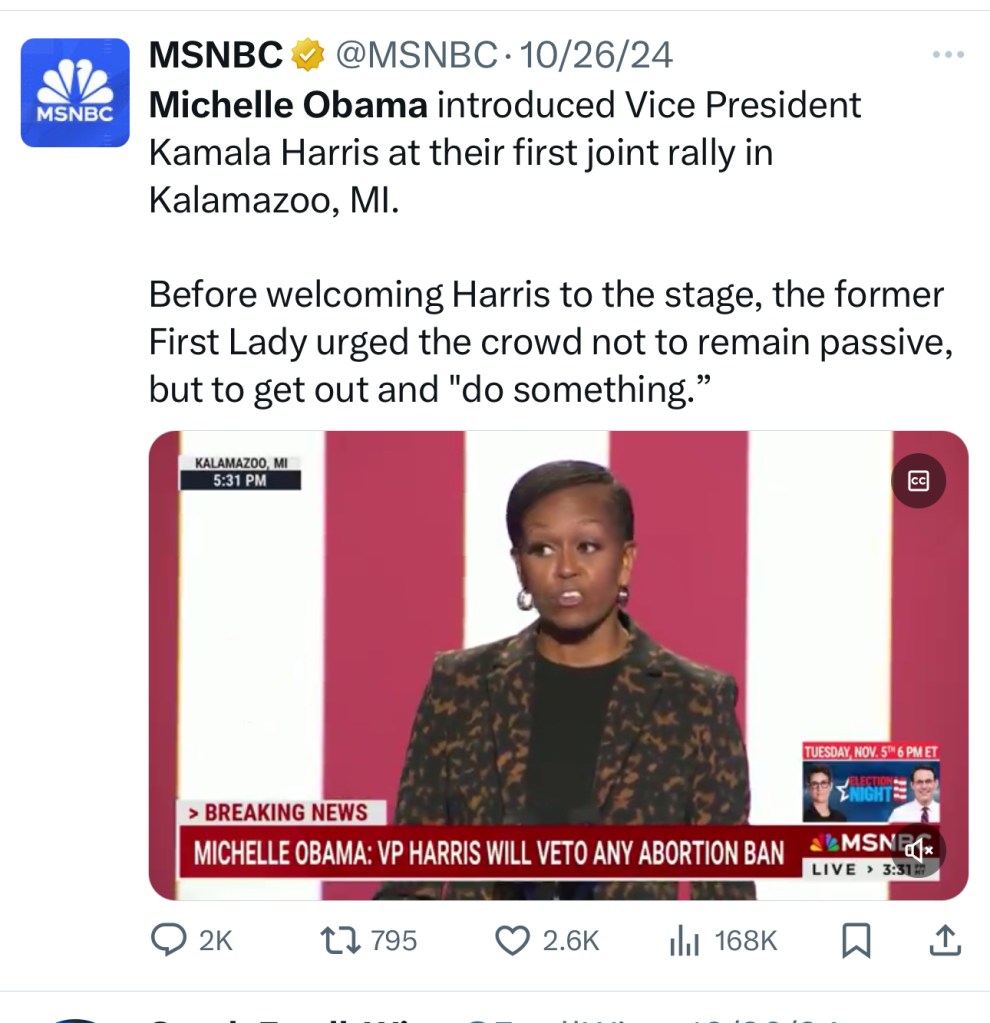
On the other hand, Fox News frames her remarks as dismissive of criticism of Harris, suggesting that Obama’s focus was on deflecting attention from potential failures in the Biden administration, aligning with conservative skepticism.
Both interpretations are selective and support their assumed narratives.
Social media framing is often more polarized. Liberals criticize Trump or support Harris and emphasize the inspirational and unifying aspects of Obama’s speech, positioning her as an authority while advocating for democratic values.
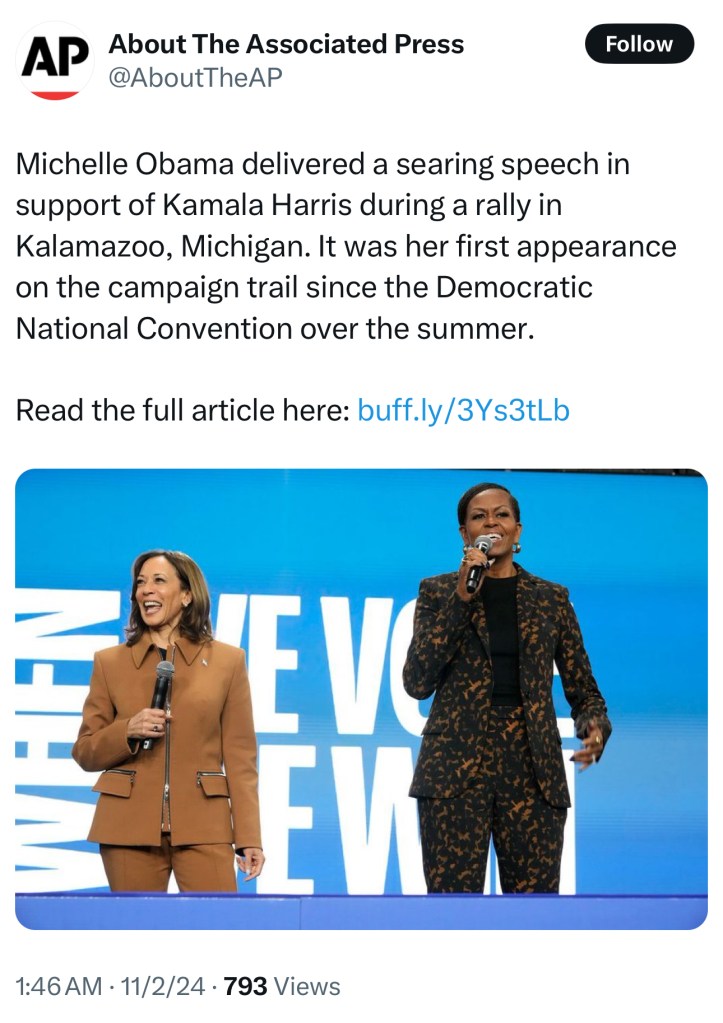
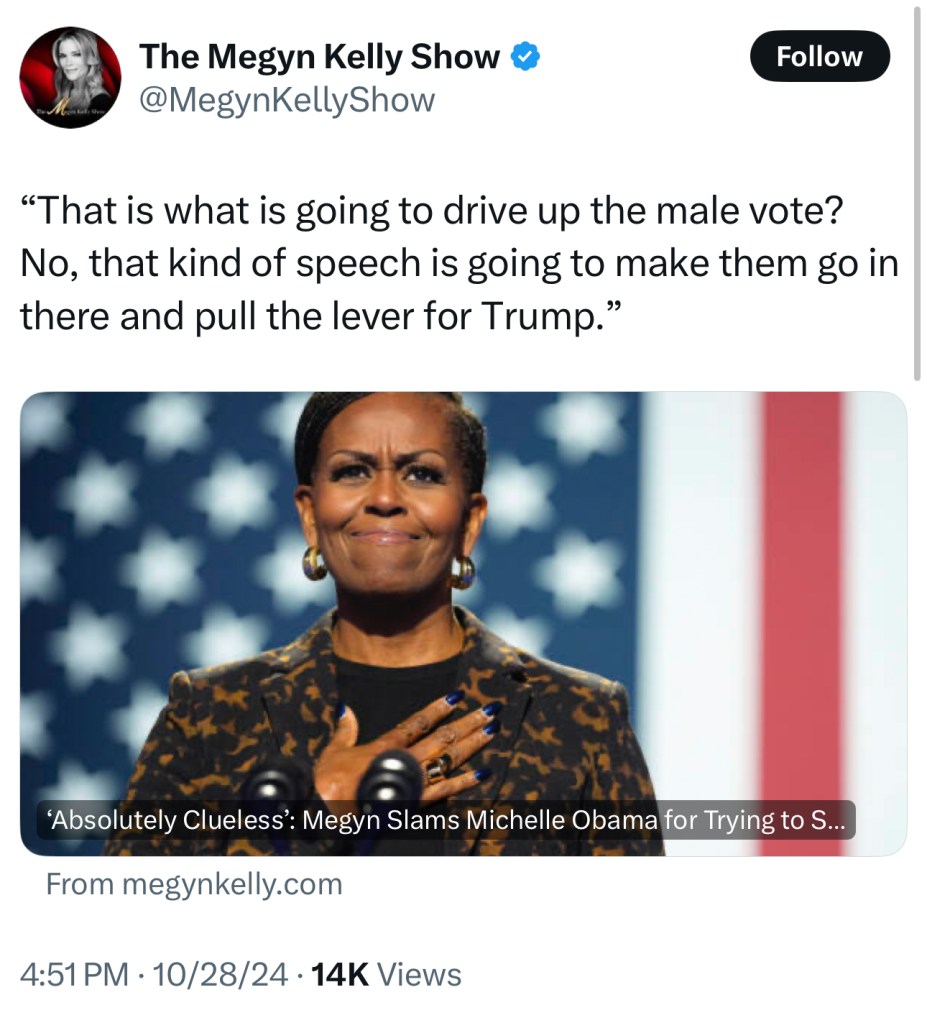
Conservative media often frames her comments as partisan and attempts to undermine their legitimacy by focusing on distractions.
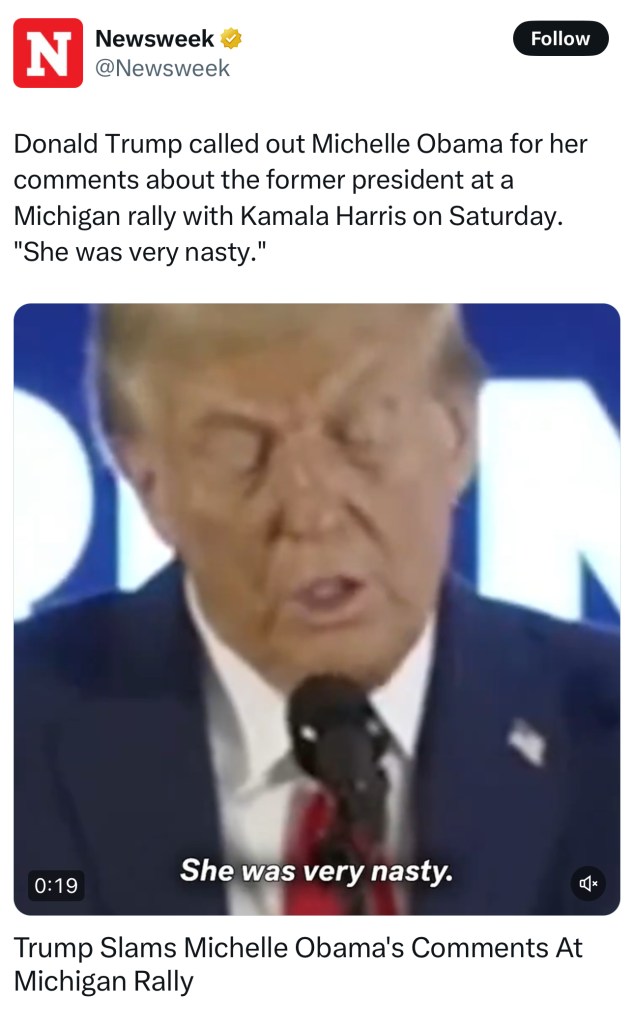
Foreign media interprets her remarks more neutrally and frames her as a symbol of America without necessarily aligning with either party.
Conclusion
While traditional media are generally held to journalistic standards and fact-checking protocols, framing stories reflect biases that shape public perception, as seen in Michelle Obama’s speech coverage.
Social media, by contrast, is less regulated, often amplifies divisive voices, and allows misinformation to spread quickly. Its algorithms can harm democracy by fostering division and eroding trust in institutions.
Journalists must balance the demand for engaging content with their responsibility to provide accurate, nuanced reporting. Politicians must anticipate how their messages will be distorted by traditional and social media. For us, the audience, it means that consuming information critically is more important than ever.
Ultimately, the health of democracy relies on an informed public. We must recognize biases in media coverage, seek multiple perspectives, question the motivations behind how stories are constructed, and foster a dialogue that bridges divides rather than deepening them.
 Therefore I Am