Italy
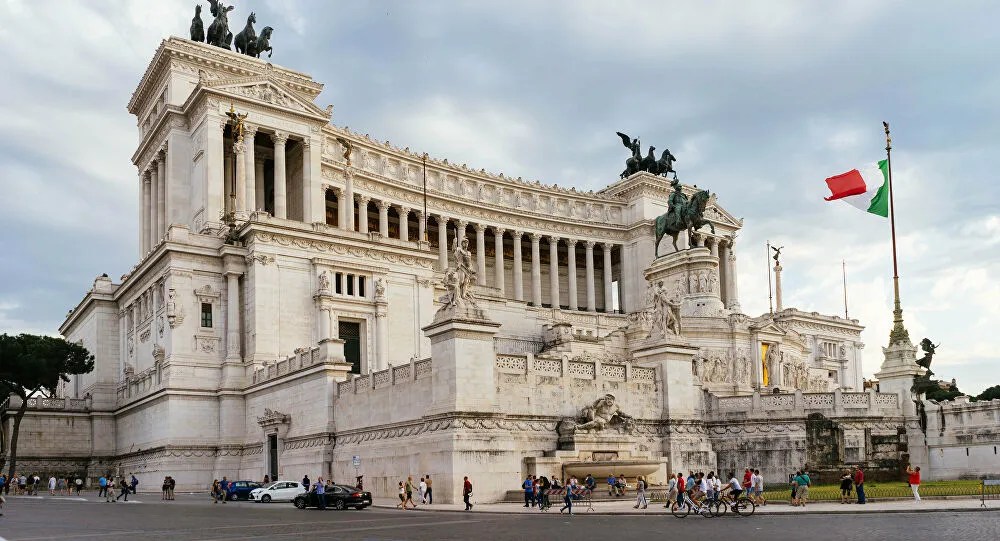
Italy is renowned for its vibrant culture, remarkable history, varied traditions, and substantial impact on art and music, positioning it as a vital center for global media creation and consumption.
As a parliamentary republic, Italy’s media landscape is influenced by both public and private sectors. Major players such as the state-owned Rai and the privately owned Mediaset lead the market. This dual framework often mirrors the nation’s divided political scene, where media outlets may reflect particular ideologies. While Italy boasts one of the strongest economies in Europe, disparities persist between the affluent north and the less prosperous south. Italians are increasingly adopting digital platforms; however, concerns regarding media pluralism and ownership concentration continue to be pivotal in conversations about fair access and representation in the country’s evolving media landscape.
Italy vs United States
The United States and Italy have distinct approaches to media shaped by their cultural, political, and economic systems. The U.S. media system aligns with the Libertarian Theory, emphasizing minimal government control, freedom of the press, and competitive exchange of ideas. Conversely, Italy exhibits elements of the Social Responsibility Theory, balancing public and private media while aiming to serve the public interest, though often shaped by political influences.
Ownership
Government control over media can enhance public safety by curbing misinformation and promoting national security. However, it risks stifling free speech and dissent, undermining democracy. Balancing regulation and freedom is essential to uphold democratic values and ensure responsible media practices.
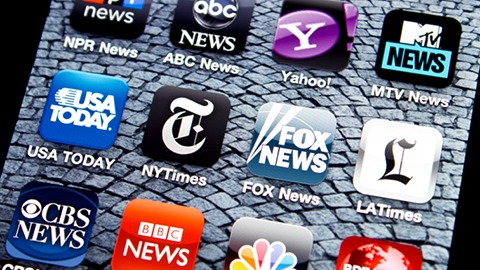
In the United States, the media landscape is largely privatized and influenced by market dynamics, resulting in a variety of outlets that are frequently under corporate control.
In contrast, Italy features a mixed ownership model, where the public broadcaster Rai and large private companies like Mediaset play significant roles. This setup opens the door for political and ideological alignment.
Internet Freedom
Both the United States and Italy enjoy considerable internet freedom, yet their approaches are different. The U.S. prioritizes minimal government involvement, promoting diverse content availability, although issues like online privacy, data collection by corporations, and misinformation remain a concern.
Italy similarly supports a largely unrestricted internet but takes a more proactive stance against problems such as online hate speech, reflecting its commitment to social responsibility.
While U.S. infrastructure is generally more advanced, both countries struggle with digital inequities in rural regions. Italy benefits from stronger privacy safeguards due to the European Union’s GDPR, in contrast to the U.S.’s more market-oriented approach. Despite their differences, both nations uphold the importance of free internet access, facing unique obstacles and advantages.
Print Media
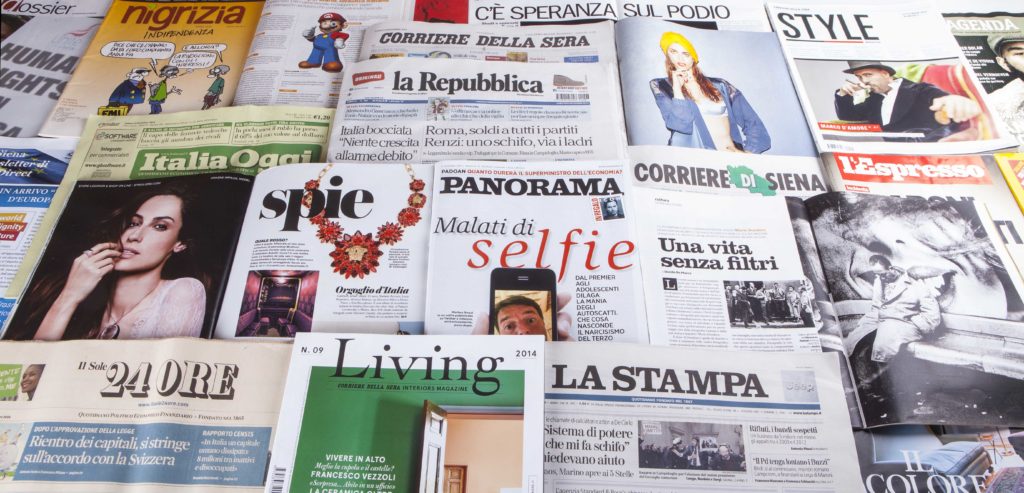
Both nations are experiencing a drop in print readership because of competition from digital media. In the U.S., publications such as The New York Times have successfully embraced digital subscriptions, while in Italy, prominent newspapers like Corriere della Sera are making the shift to online platforms. Local newspapers are facing greater challenges in the U.S., while in Italy, regional affluence influence access to quality journalism.
Radio
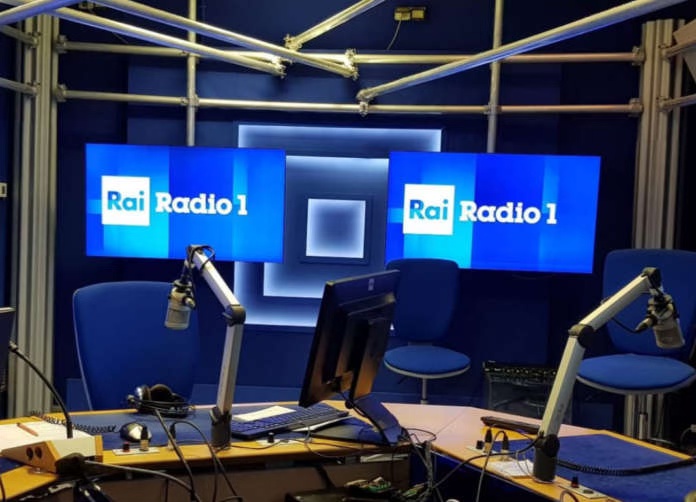
Radio remains popular in both countries, though its functions are not the same. In the U.S., radio is highly commercialized and diverse, with public networks such as NPR offering educational programming. In contrast, Italy’s radio landscape features both national and regional stations, led by the public broadcaster Rai Radio, which effectively serves remote regions.
Television
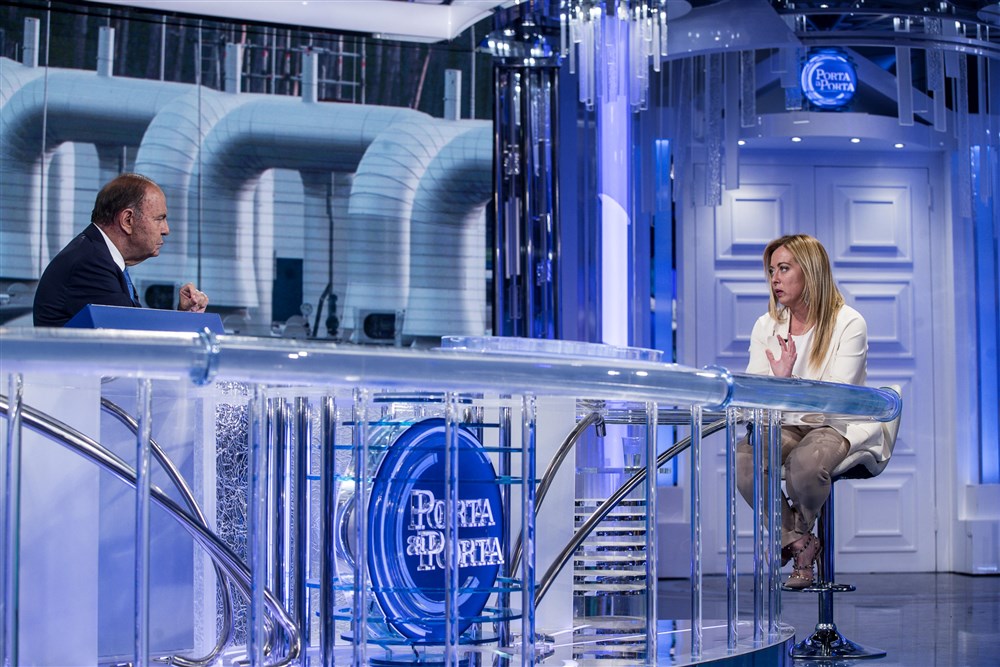
Television plays a key role in media consumption in both countries, yet its structure varies. In the U.S., there is significant emphasis on cable networks and streaming services such as Netflix, whereas traditional broadcast networks are in decline. Conversely, in Italy, the public broadcaster Rai and private networks like Mediaset hold the majority, with television frequently mirroring political biases.
Cinema
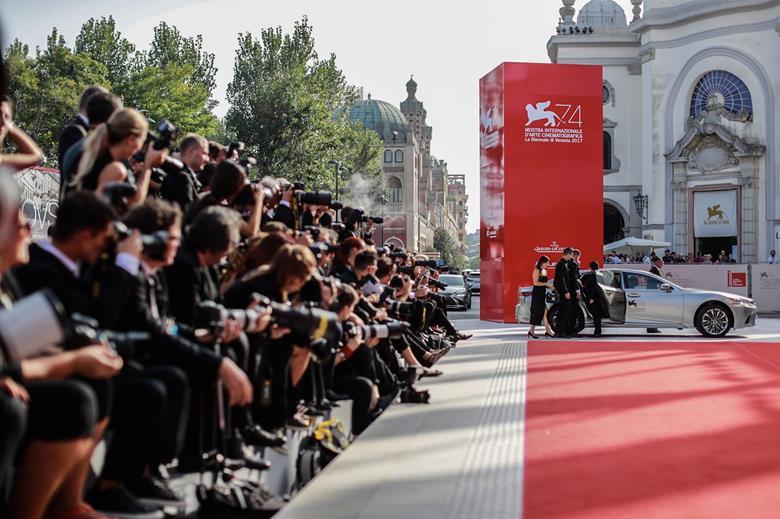
The U.S. leads the global film industry with Hollywood, producing high-budget, internationally popular movies. In Italy, cinema is smaller but highly respected for its cultural contributions and artistic quality, as showcased in events like the Venice Film Festival. Streaming has impacted cinema in both countries, reshaping traditional movie-going habits.
The media systems in the U.S. and Italy showcase unique strengths and challenges influenced by their respective cultural and political landscapes.
In the United States, the First Amendment strongly protects press freedom, fostering a vibrant media landscape filled with varied viewpoints and innovations, particularly in streaming and digital formats. However, the concentration of corporate ownership restricts genuine diversity, and profit motives can result in sensationalism and misinformation. Despite being one of the world’s top economic powers, the U.S. has fallen ten places in global press freedom rankings, raising alarms about media independence and the safety of journalists.
Press Freedom in Italy is under constant strain.
Italy’s blend of public and private media promotes cultural representation and accountability. However, press freedom in Italy confronts serious threats, particularly from mafia groups in the south and extremist factions. Journalists often face political interference, exemplified by the contentious “gag law” (legge bavaglio) and SLAPP (Strategic Lawsuit Against Public Participation) tactics that aim to dissuade critical reporting on legal matters.
Despite these threats, Italy maintains a relatively open media environment compared to many other countries. However, these issues underscore ongoing vulnerabilities in achieving genuine media independence and ensuring journalist safety.
Conclusion
While the U.S. excels in media innovation and press protection, Italy strives to harmonize cultural values with public accountability, facing challenges such as political bias, unequal access, and risks to journalistic independence.
The U.S. leads in technological innovation and press freedom but struggles with corporate concentration and misinformation. Italy places importance on public accountability and cultural representation but encounters issues with political bias and unequal access. Each system showcases unique strengths and weaknesses influenced by their respective cultural and political environments.
 Therefore I Am